Young mother utilizes innovative strategies to afford housing in Benzie County
Read More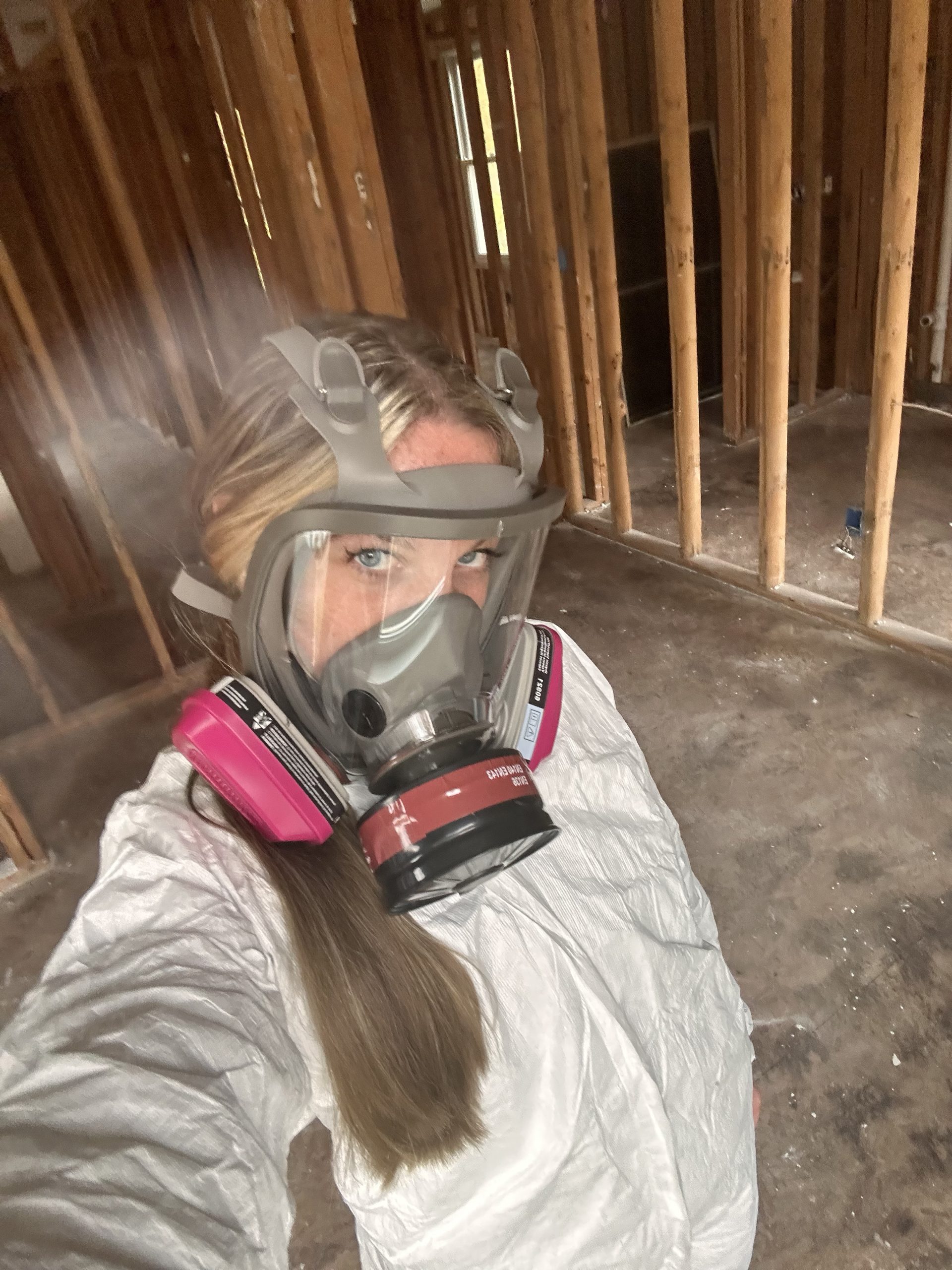
From Ghost House to Project House
Aubrey Parker
0 comment
News :: Events :: Calendar :: Stories :: Benzie County

Young mother utilizes innovative strategies to afford housing in Benzie County
Read More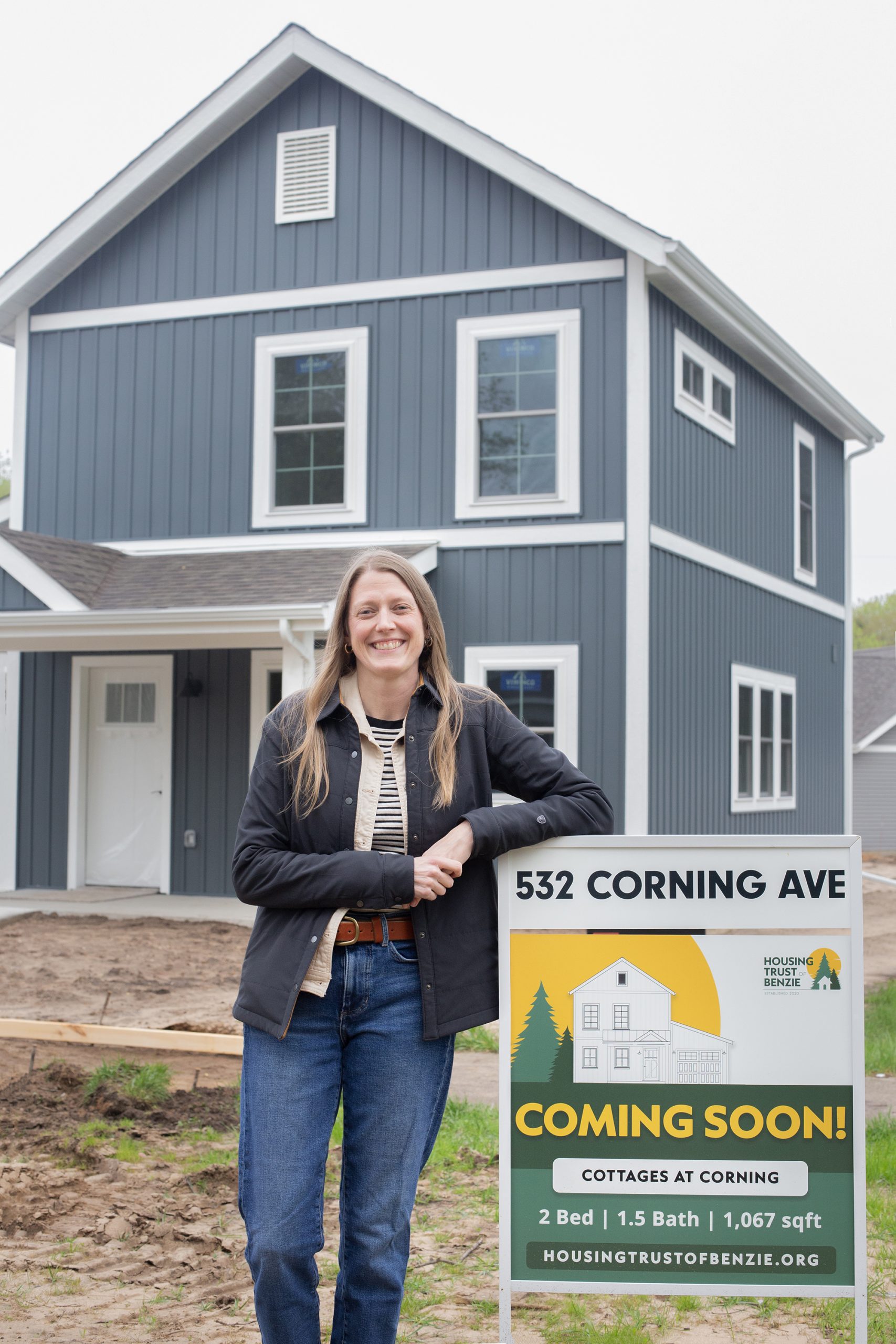
Questions & Answers with community faces
Read More
Questions & Answers with community faces
Read More
Questions & Answers with community faces
Read More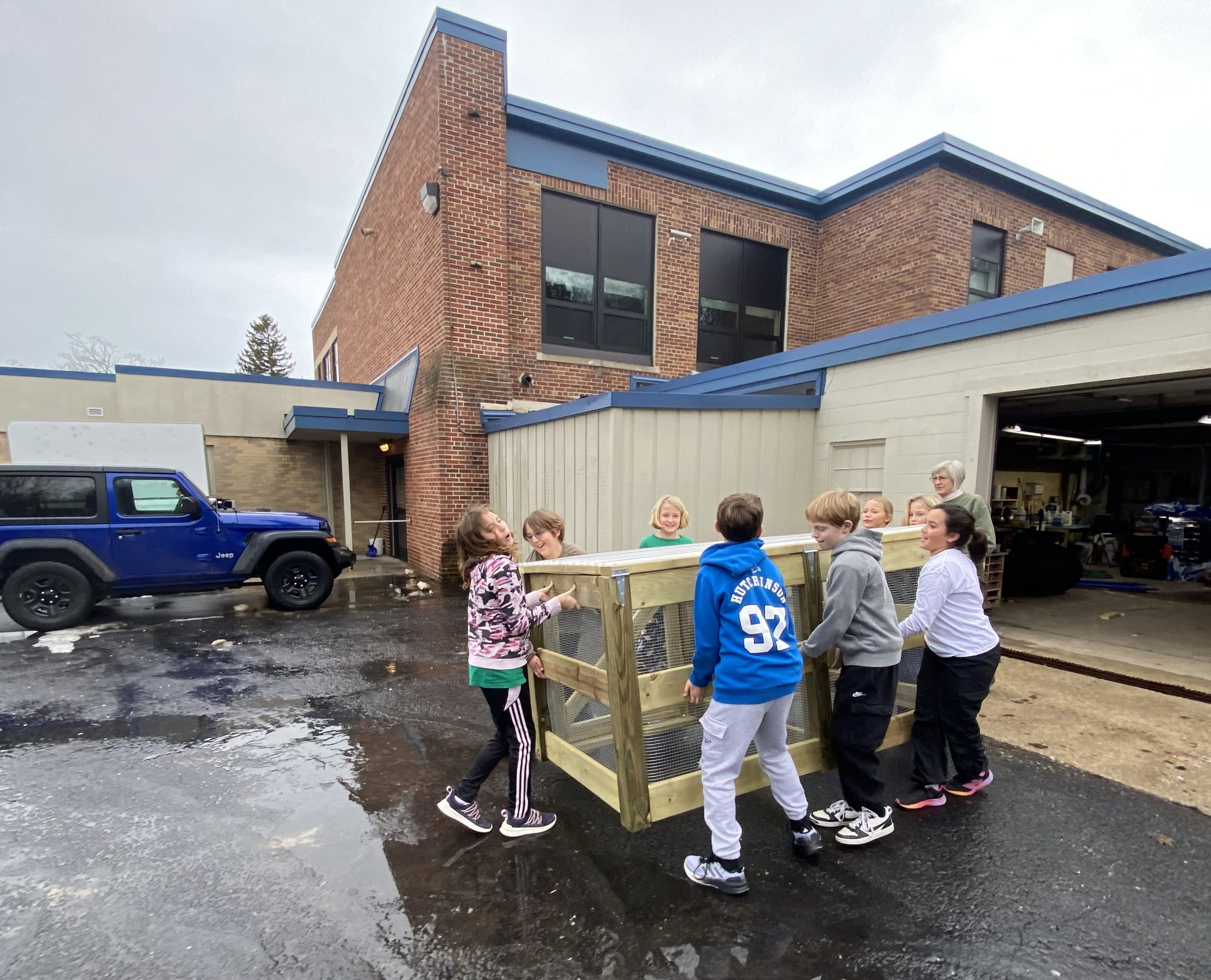
Project-based learning leads to community changes
Read More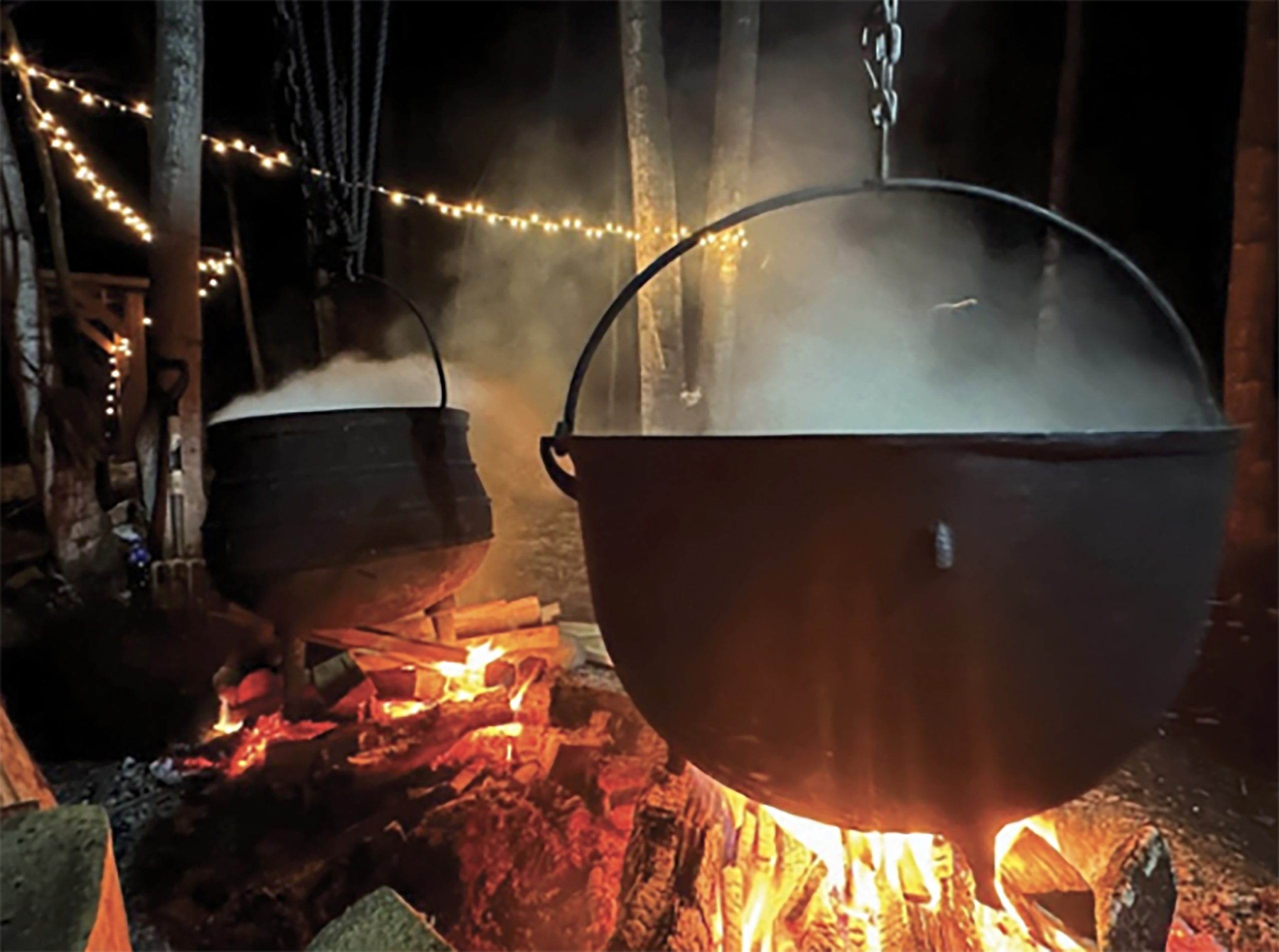
History of a favorite local treat
Read More
New Michigan program aims to help farms continue
Read More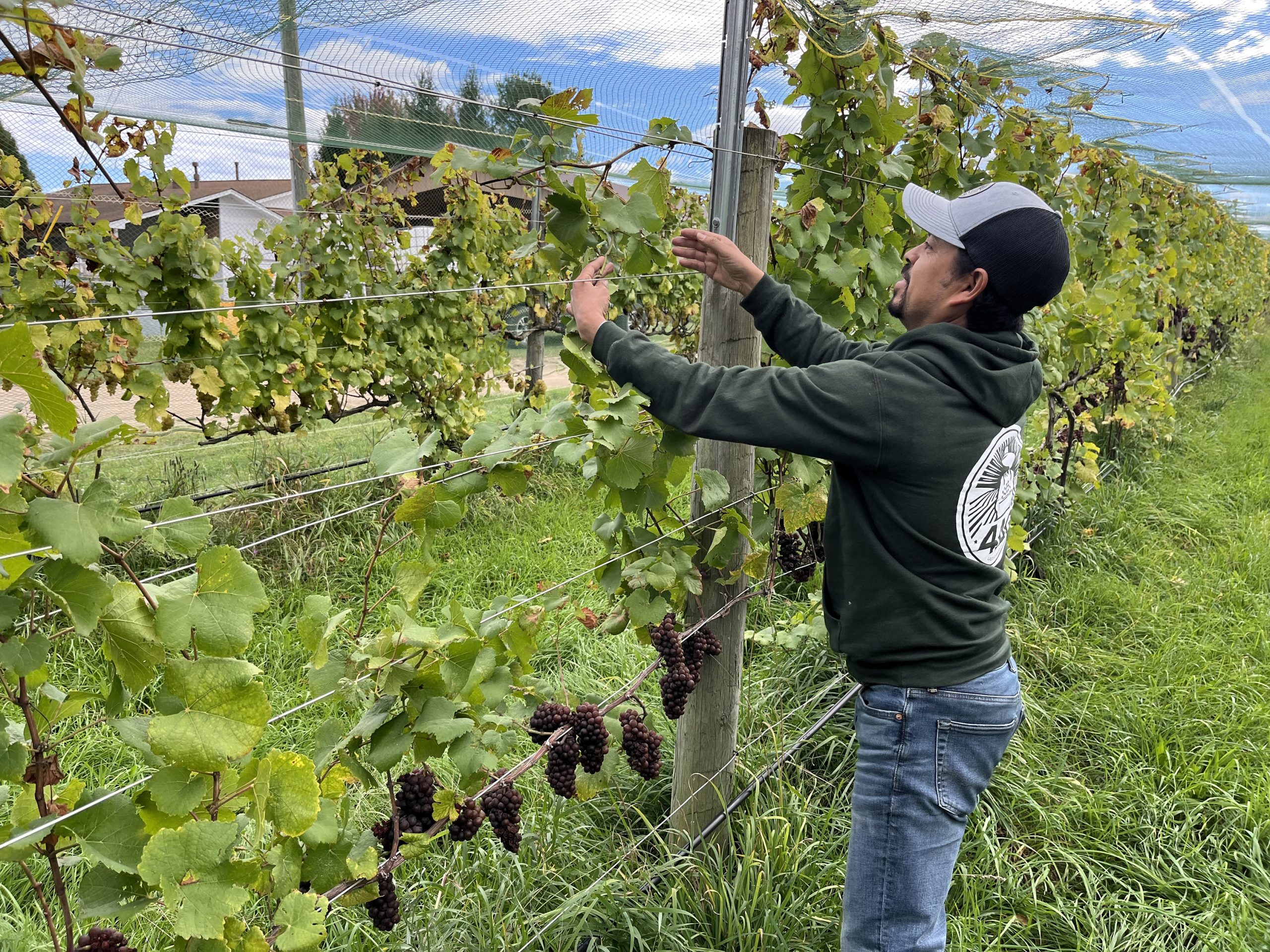
Migrant farm work has boomed in Michigan recently, but feds just cut pay
Read More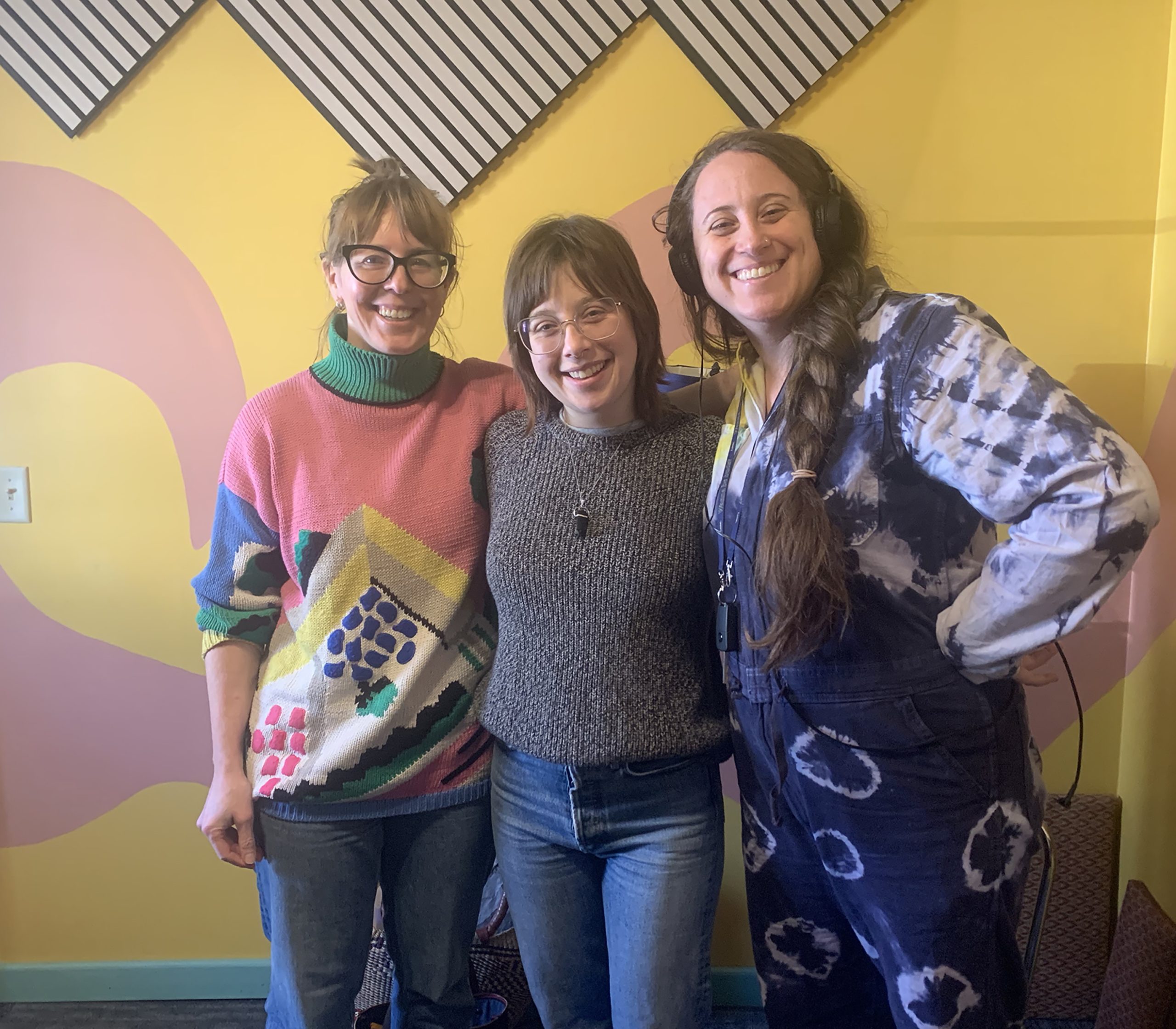
Aubrey Ann Parker, Paula Freidrich, and Emily Votruba discuss
Read More
Behind the scenes
Read More
Two years of free flicks and fundraising
Read More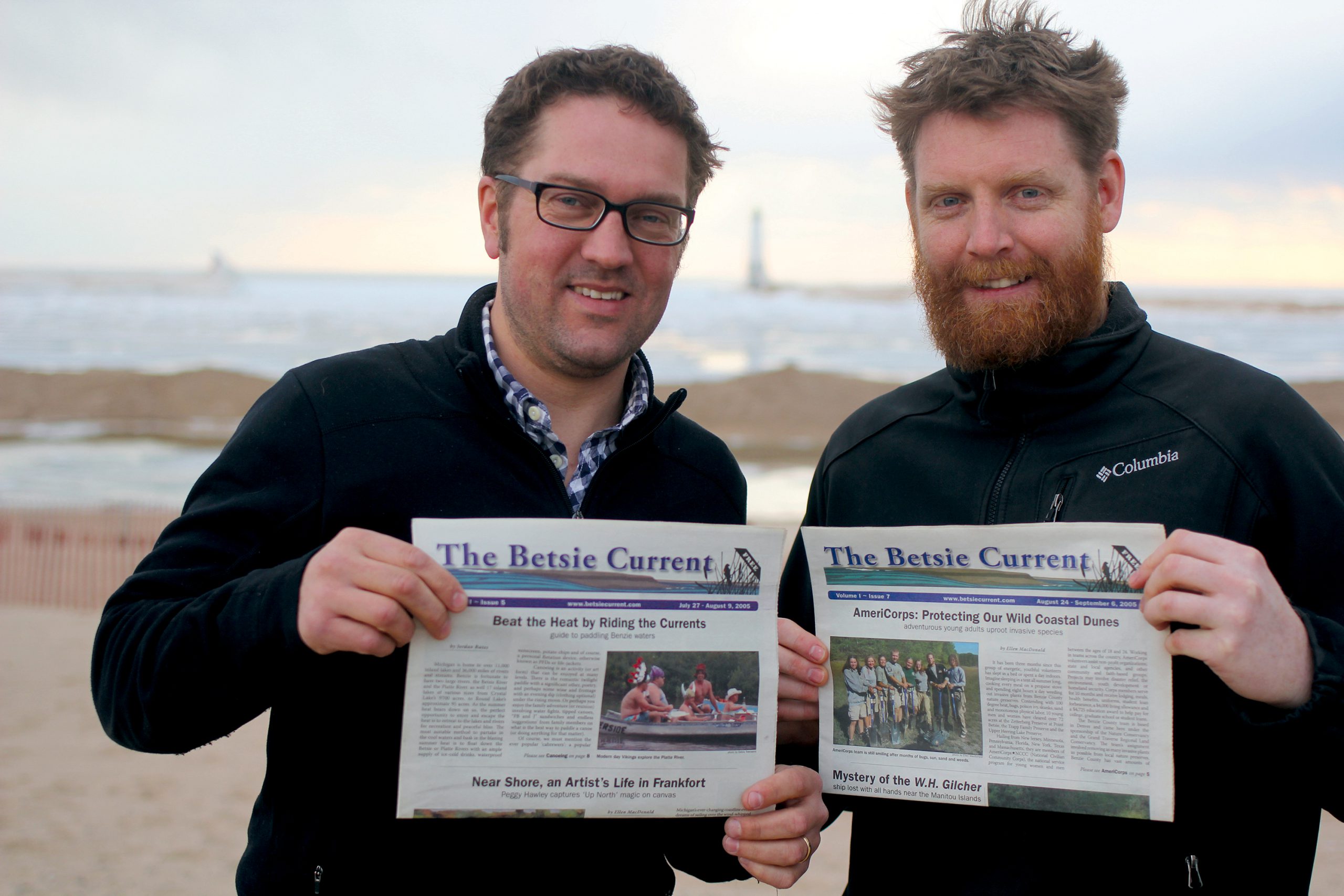
15 years in print
Read More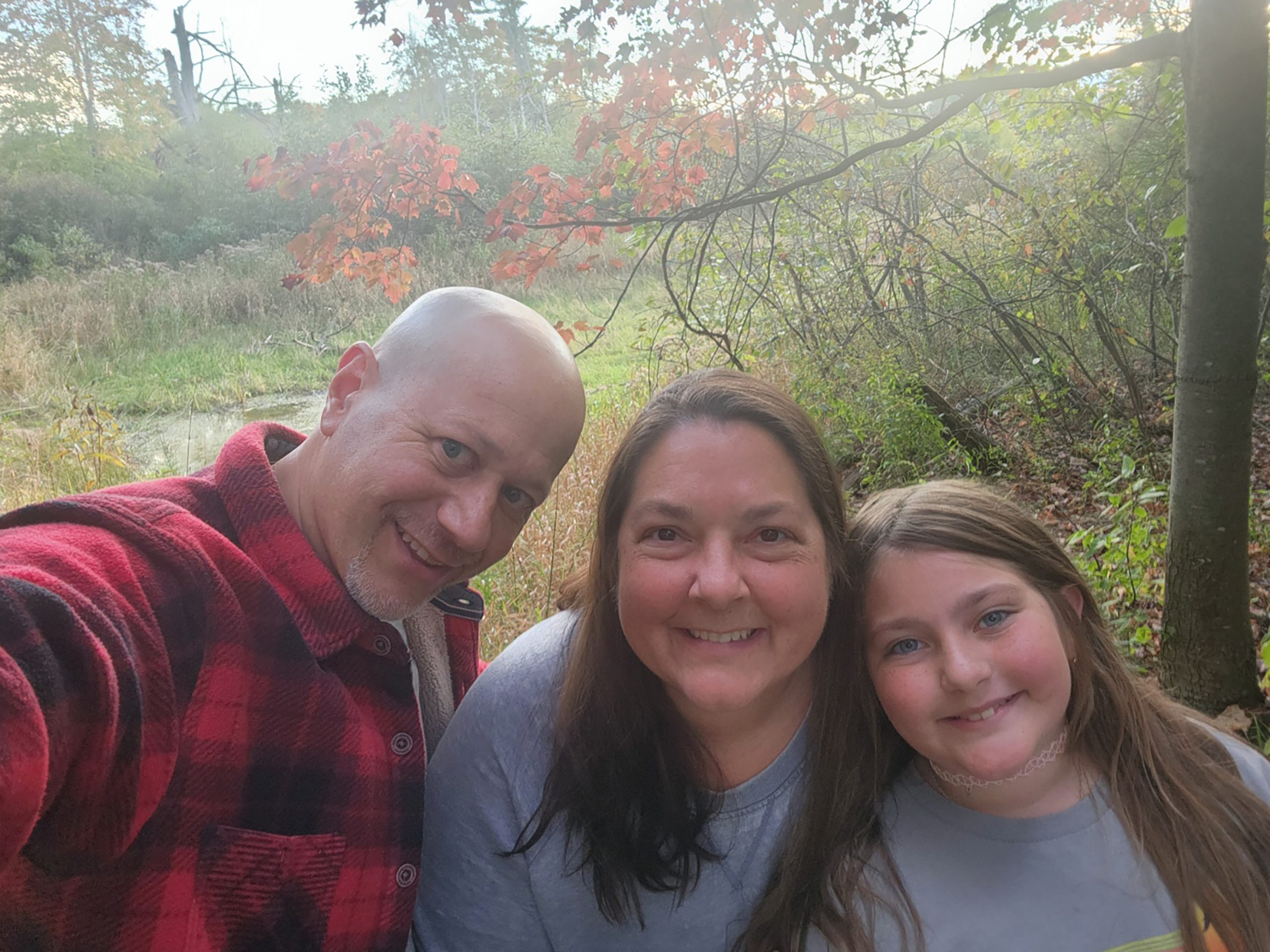
Questions & Answers with community faces
Read More
Local and state-led initiatives to get venison into food pantries
Read More
Celebrating two years of community
Read More
It took 54 years, but I finally love my body
Read MoreHelp needed to locate the “40s Fish”
Read MoreMaking her own reality
Read MoreMore than 50 years of the Periwinkle Garden Club in Frankfort
Read MoreBeech trees, passenger pigeons, and the struggle to survive in Northern Michigan
Read More
History, legacy, and community connections
Read More
A new-to-us tick-borne disease in Northern Michigan
Read More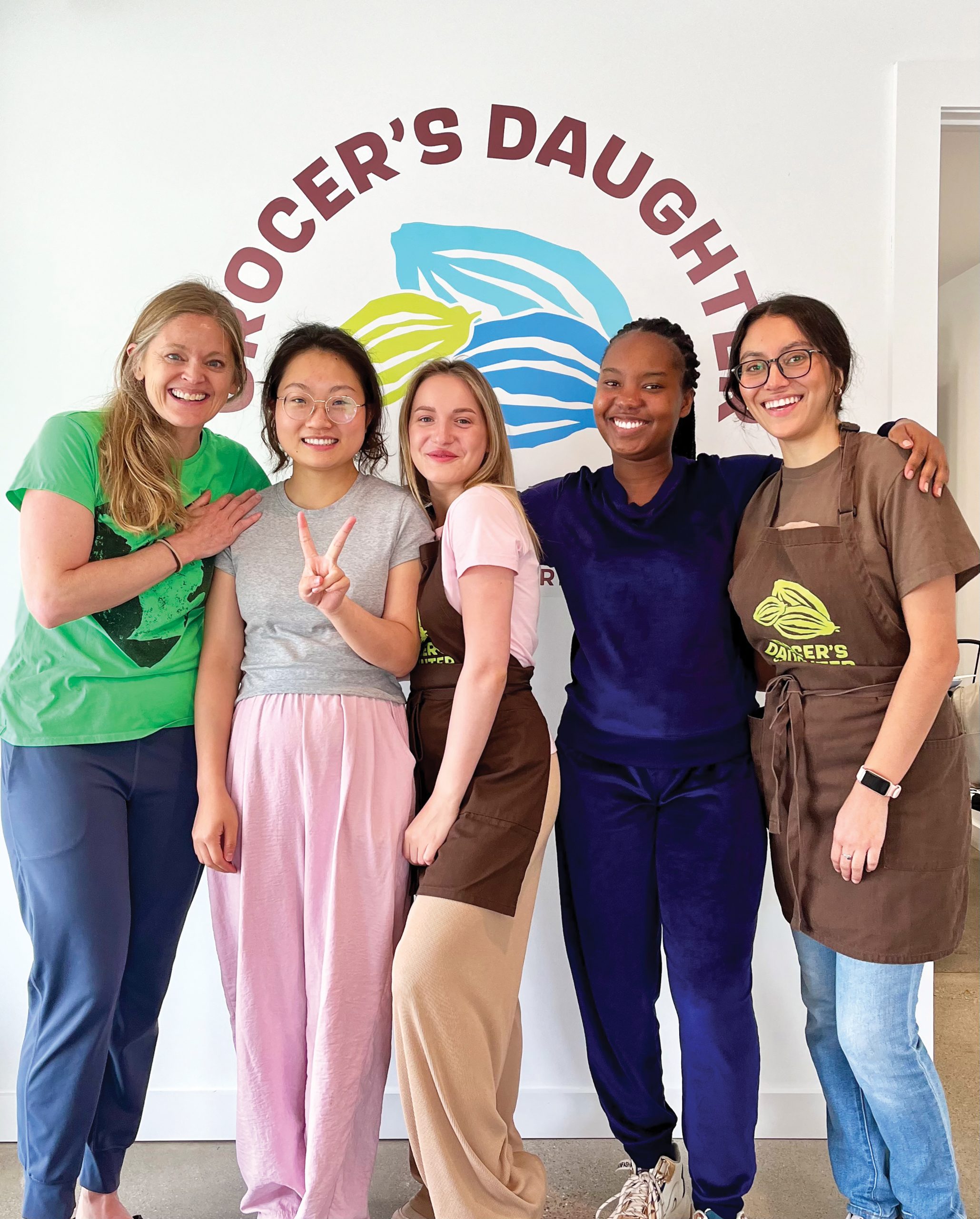
ultural exchange workers help in Benzie and Leelanau counties
Read More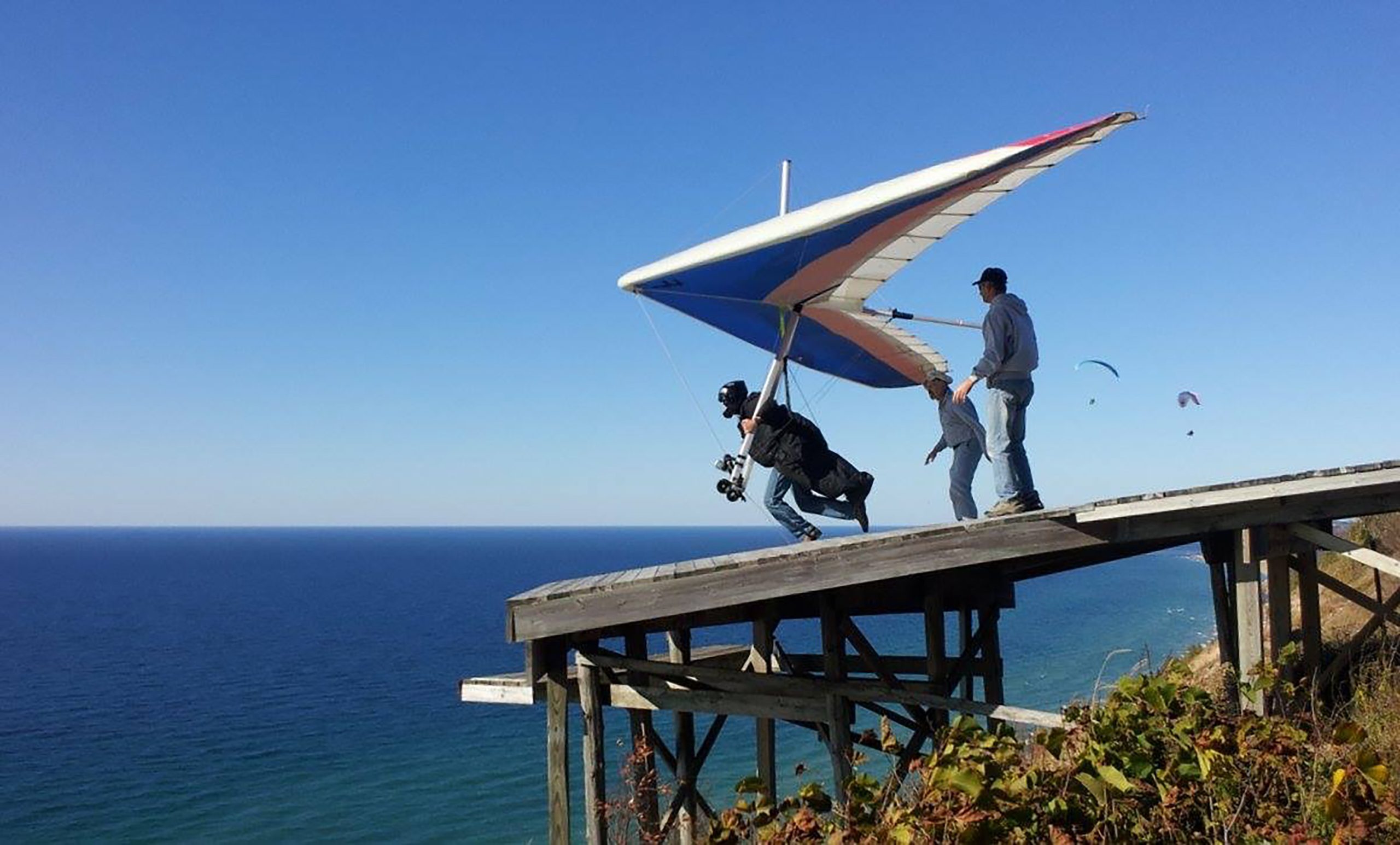
Green Point Flyers sustain local tradition of motorless flight
Read More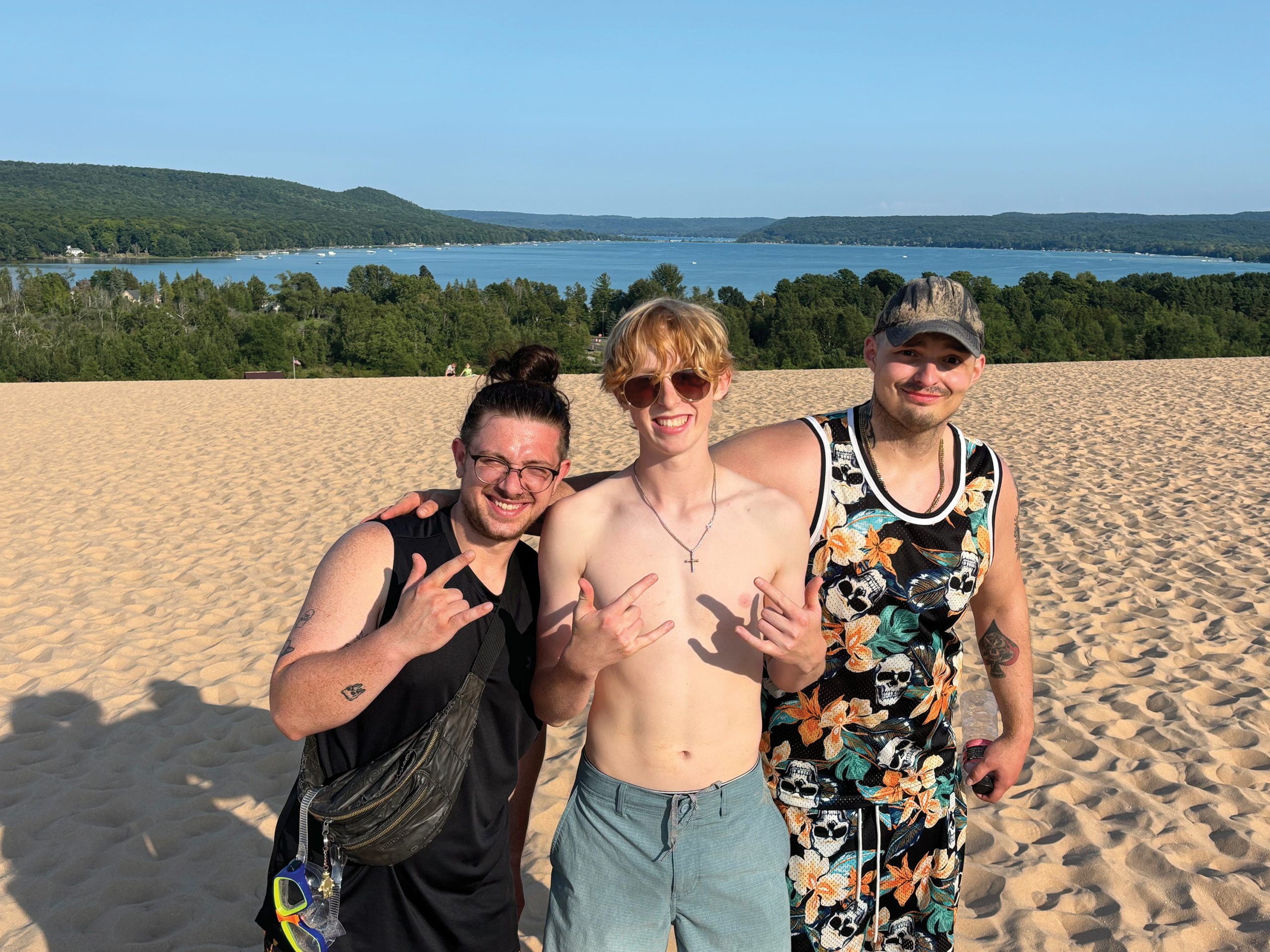
The importance of being prepared at Sleeping Bear Dunes
Read More